Welcome to BeiBeiKang Develop Co.,Ltd
Introduction
In many industrial applications, nitrogen gas springs are a cost-effective and space-saving alternative to traditional metal coil springs.
Compared with conventional mechanical springs, nitrogen gas springs provide instant and relatively stable force throughout the entire stroke length. They are highly durable and do not gradually lose force due to metal fatigue over time.
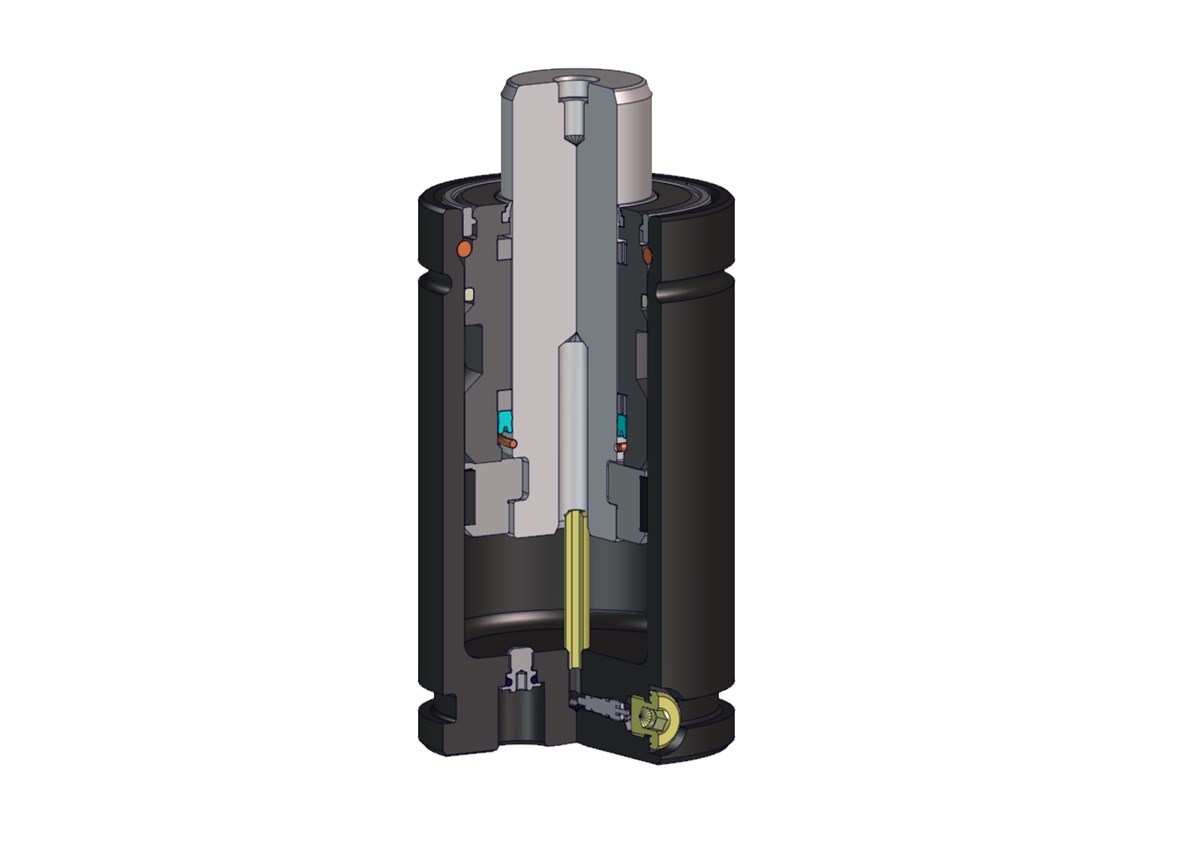
Nitrogen gas springs operate by using compressed nitrogen gas inside a sealed cylinder. When nitrogen gas is compressed, energy is stored inside the cylinder. When external pressure is released, the piston rod is pushed outward by the expanding gas.
A small amount of lubricating oil is also sealed inside the cylinder to ensure smooth piston movement in both compression and return directions.


Applications of Nitrogen Gas Springs
Nitrogen gas springs are widely used in:
1、Metal Processing and Forming
Applications include:
·Metal stamping
·Punching
·Forming dies
2、Plastic Injection Molding
Used for:
·Mold opening assistance
·Ejection systems
·Motion control
3、Automotive and Aerospace Manufacturing
Nitrogen gas springs provide reliable force control for:
·Automotive stamping dies
·Precision forming tools
·Aerospace components
BBK-JINGBA nitrogen gas springs feature:
·Precision machined piston rods
·Surface hardness above HV1000
·Hardness above HRC40
·Surface roughness below Ra0.02μm
·High-performance TSS sealing systems
These technologies ensure long operating life and stable performance.
After completing the effective stroke, pressure loss is less than 5%, meeting international performance requirements.
Nitrogen gas springs provide:
·Compact size
·High force output
·Constant pressure
·Long service life
Benefits:
·Save mold installation space
·Reduce the number of springs required
·Reduce maintenance frequency
·Lower total mold cost
Safety is a key design consideration.
BBK-JINGBA nitrogen gas springs include:
·Safety pressure relief structures
·Integrated machining technology
·Advanced manufacturing processes
Compared with traditional welded tube structures, integrated machining improves reliability and safety.
A compact:
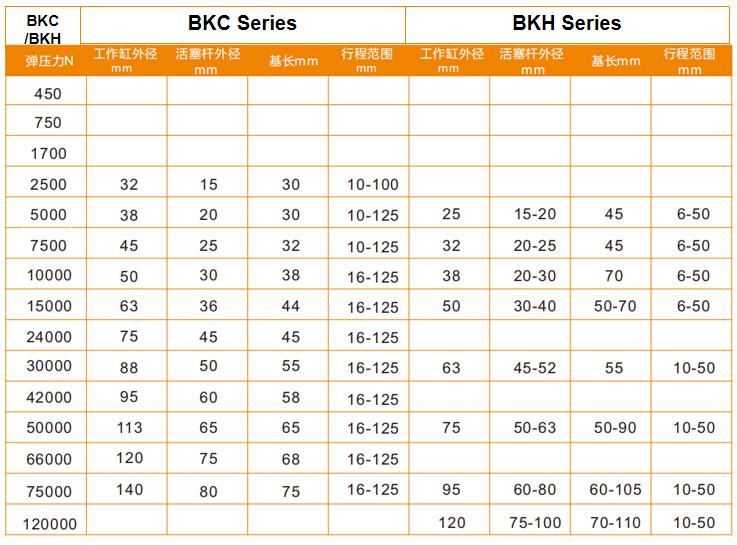
·BKH50.0-025-135 nitrogen gas spring
can replace approximately:
14 heavy-duty coil springs
Equivalent comparison:
·Cylinder diameter: 75mm
·Stroke: 25mm
Nitrogen gas spring:
44.16 cm²
Coil springs:
247.75 cm²
Space saving:
Nearly 6 times smaller.
Nitrogen gas spring:
135mm
Coil spring:
280mm
Nitrogen gas spring:
596.16 cm²
Coil spring system:
7963 cm²
Compared with installing 14 coil springs, one nitrogen gas spring does not require:
Pre-compression
Additional guiding
Positioning operations
When multiple nitrogen gas springs are connected through a piping system, all springs maintain the same internal gas pressure.
This creates balanced force distribution.
Compared with coil springs, nitrogen systems provide:
1、Equal force at every contact point
2、Adjustable spring force according to production requirements
3、Real-time pressure monitoring
4、Reduced mold maintenance and downtime
5、Longer service life of punches and tooling components
The initial force of nitrogen gas springs can be adjusted by changing internal nitrogen pressure.
For connected systems, pressure adjustment can be achieved through control panels.
Maximum operating pressure:
150 bar
Unlike coil springs, nitrogen gas springs provide adjustable force control.
Nitrogen gas springs provide a modern solution for metal stamping dies, injection molds and industrial tooling applications.
Compared with traditional coil springs, they offer:
·Higher force density
·Smaller installation space
·Longer service life
·Adjustable pressure
·Better safety
·Improved production efficiency
As a professional nitrogen gas spring manufacturer, BBK-JINGBA provides BKC, BKH, ISO standard and customized nitrogen gas spring solutions for global mold manufacturers.
BeiBeiKang Develop Co.,Ltd


